
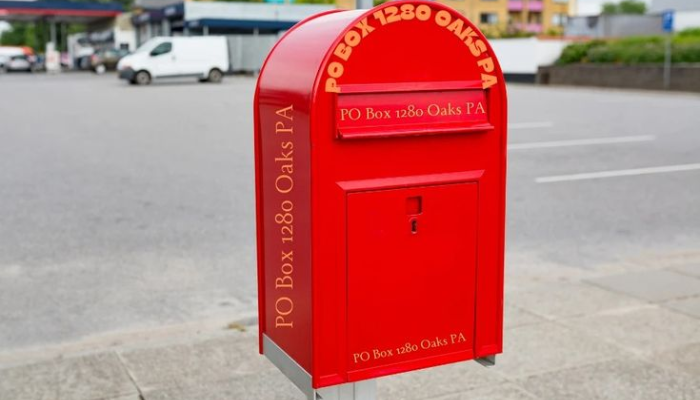

Seeing “PO Box 1280 Oaks PA” on an envelope can immediately raise questions. You may not recognize the address, the company connected to it, or the reason you received the letter. If the envelope mentions a bill, account number, insurance claim, or payment, it is natural to want to know who is behind the mailing before taking any action.
The full address commonly appears as PO Box 1280, Oaks, PA 19456-1280. Importantly, a P.O. Box by itself does not necessarily identify one single company. Public records and government documents show that the address has appeared in connection with different billing and correspondence operations. For example, Montgomery County Fire and Rescue Service currently lists the address for EMS billing correspondence handled through Digitech.
This guide explains what PO Box 1280 Oaks PA means, why different organizations may use it, how to determine who sent your particular letter, and what steps to take if the correspondence concerns an unfamiliar bill or debt.
What Is PO Box 1280 Oaks PA?
PO Box 1280 Oaks PA 19456-1280 is a postal mailing address in Oaks, Pennsylvania. The “PO Box” portion means correspondence is directed to a post office box rather than a conventional street address. The ZIP+4 code, 19456-1280, provides a more specific postal designation for the mailing address.
One important point is that the address should not automatically be treated as the name of a company. A mailing address can be used by an organization for receiving payments, sending statements, processing correspondence, or handling accounts on behalf of another organization. That is why searching only the address may produce several different names.
Public records demonstrate this distinction. Montgomery County Fire and Rescue Service, for instance, publishes PO Box 1280, Oaks, PA 19456-1280 as a mailing address for EMS billing through Digitech. Other public records have also shown the same address appearing on financial or medical-related correspondence.
Therefore, the address alone is not enough to determine why you received a particular letter. The sender name, department code, telephone number, account information, and explanation printed on the document are much more useful clues.
Why Might You Receive Mail From PO Box 1280?
There are several possible reasons an envelope could display PO Box 1280 Oaks PA. One common category is billing correspondence. Organizations sometimes use third-party billing or payment-processing companies to handle statements, invoices, account inquiries, and payments.
Medical and emergency-service billing is one documented example. Montgomery County Fire and Rescue Service identifies Digitech as its EMS billing contact and lists PO Box 1280 in Oaks for USPS correspondence. This means someone who received ambulance or emergency medical services connected with that organization could potentially see the Oaks address on related billing correspondence.
Historical court records also show the address on correspondence associated with a debt-collection matter involving Medicredit, Inc. Other public documents have shown the address used in connection with medical-related billing correspondence as well.
This variety is exactly why it is risky to assume that every letter displaying PO Box 1280 comes from the same organization. The address can be part of a mailing or processing arrangement rather than the identity of the company ultimately responsible for the account.
How to Identify the Company Behind Your Letter
If you have received a letter from PO Box 1280 Oaks PA and want to identify the sender, start with the document itself rather than relying on the return address.
Look at the company or organization name near the top of the letter. It may appear above the mailing address, in a logo, or in the letterhead. Then check for a customer-service telephone number, website, account number, department name, or reference number.
The wording of the letter can also provide an important clue. A medical statement may mention a patient, date of service, healthcare provider, insurance adjustment, or balance. A collection notice may identify an original creditor, account number, balance, and instructions for disputing the debt. A government-related billing letter may identify the public agency responsible for the service.
For example, Montgomery County’s official information identifies PO Box 1280 specifically as a USPS address for EMS billing handled through Digitech. That does not mean every letter carrying the same address is from Montgomery County or Digitech.
If the sender is unclear, compare the information in the letter with records you already have. Check recent medical statements, insurance documents, ambulance-service records, payment receipts, or previous correspondence. Matching dates, account numbers, and service descriptions can help establish whether the letter relates to something you recognize.
Is PO Box 1280 Oaks PA a Debt Collection Address?
It can appear on debt-related correspondence, but the address itself does not prove that a letter is a debt-collection notice.
Historical legal records provide a useful example. A federal court filing involving Medicredit, Inc. included correspondence showing PO Box 1280, Oaks PA 19456-1280 on a statement connected with a collection matter. Another public legal document includes the same address in a payment-related document associated with ARC Management Group.
At the same time, official government information shows the address being used for EMS billing correspondence. These examples demonstrate why the phrase “PO Box 1280 Oaks PA” should not automatically be interpreted as “debt collector.”
If your letter is a collection notice, read it carefully. Look for the name of the collector, the original creditor if identified, the claimed amount, an account or reference number, and instructions explaining your rights and available response options.
Most importantly, do not make a payment solely because the envelope looks official. First determine who is requesting the money and why.
What Should You Do If You Do Not Recognize the Mail?
An unfamiliar letter deserves attention, but there is no need to panic. The safest approach is to verify the information before providing personal or financial details.
First, identify the organization named in the letter. If it claims to represent a hospital, ambulance provider, insurer, lender, or government department, independently locate that organization’s official contact information and ask whether the correspondence is genuine.
Second, compare the account information with your own records. If the letter refers to a medical service you never received, an account you never opened, or a payment you already made, keep copies of supporting documents.
Third, be cautious about using contact details supplied in suspicious correspondence. If something looks unusual, independently verify the organization through a trusted source before calling or making a payment.
You should also keep the original letter and envelope. If the matter later becomes a dispute, having the complete correspondence can make it easier to explain what you received and when you received it.
If the letter is a debt-collection notice and you believe the debt is inaccurate, the response process can be more formal. Read the notice carefully and consider obtaining qualified legal or consumer-rights advice when the circumstances are complicated.
How to Verify a PO Box 1280 Letter Safely
Verification is especially important when a letter requests money or sensitive information. A professional-looking envelope does not by itself establish that a claim is legitimate.
Start by identifying the named sender and the purpose of the correspondence. Then verify that organization through an independently located source. For a medical bill, for example, you can contact the healthcare provider’s billing department using contact information from its established records rather than relying exclusively on an unfamiliar letter.
Check whether the details make sense. A legitimate billing notice should generally contain enough information for you to understand what the charge relates to. Depending on the situation, that might include a service date, patient information, account reference, explanation of the balance, or payment instructions.
Do not ignore a letter simply because the return address is unfamiliar. An unfamiliar mailing address can be completely legitimate, particularly when organizations outsource billing or correspondence processing. Conversely, do not assume that a letter is legitimate just because the address can be found online.
The strongest verification comes from matching several independent details: the organization name, reason for the correspondence, account information, dates, contact details, and your own records.
What Does PO Box 1280 Oaks PA Mean for You?
For most people, the key takeaway is simple: PO Box 1280 Oaks PA is a mailing address, not enough information by itself to identify the sender or the purpose of a letter.
Official sources confirm that the address is used for at least some legitimate billing operations. Montgomery County Fire and Rescue Service lists it for EMS billing correspondence through Digitech. Public legal records also show the address appearing on other types of billing and collection-related correspondence.
That means the right response depends on the document you received. If you recognize the service or account, follow the instructions provided after verifying the details. If you do not recognize it, investigate the named sender before paying or sharing information.
Rather than searching for one universal answer to “Who owns PO Box 1280 Oaks PA?”, focus on identifying the organization named on your particular letter. That approach is more reliable because the same mailing address can appear in different contexts.
Conclusion
PO Box 1280 Oaks PA 19456-1280 can look mysterious when it appears on an unexpected envelope, but the address alone does not tell the entire story. Public records show it being used for billing and other correspondence, including a documented EMS billing arrangement involving Digitech.
If you receive mail from this address, check the sender’s name, account details, reason for the letter, and contact information. Verify unfamiliar claims independently, especially before making a payment or providing sensitive information.
The most important lesson is not to judge a letter solely by its return address. Identify the organization behind the correspondence, understand why it contacted you, and verify the information before taking action.
FAQs
1. What is PO Box 1280 Oaks PA?
PO Box 1280 Oaks PA 19456-1280 is a postal mailing address in Oaks, Pennsylvania. It has appeared in different billing and correspondence contexts, so the address alone does not identify one particular organization.
2. Who uses PO Box 1280 Oaks PA?
Public records show that different organizations and billing operations have used the address. Montgomery County Fire and Rescue Service currently lists it for EMS billing correspondence handled through Digitech.
3. Is PO Box 1280 Oaks PA a collection agency?
Not necessarily. The address has appeared on historical debt-collection correspondence, but it is also documented for legitimate billing operations. You need to identify the sender named on your particular letter.
4. Should I pay a bill from PO Box 1280?
Do not pay solely because the letter uses PO Box 1280. First confirm the sender, account, amount, and reason for the bill. If you do not recognize the debt or charge, verify it independently.
5. Why did I receive a medical bill with this address?
Some medical and emergency-service billing operations have used the Oaks mailing address. Official Montgomery County information, for example, lists it for EMS billing through Digitech.
6. How can I find out who sent my letter?
Look at the letterhead, sender name, account number, telephone number, department name, and description of the charge. Then independently verify the organization using trusted contact information.
7. Is mail from PO Box 1280 automatically legitimate?
No. The existence of a real postal address does not automatically validate every letter using that address. Evaluate the sender and the specific claim, and verify unfamiliar correspondence before sending money or personal information.